
Updated May 2026
Your website isn’t a brochure. A brochure gets printed once and handed out. Your website should be working for you constantly – bringing in new visitors, answering questions, building trust, and nudging people towards getting in touch.
Regular, quality content is what makes that happen. Here’s why it matters, and what to think about when you’re creating it.
Every blog post is a new door into your website
When you publish a blog post, you’re adding a new indexed page to your site – another URL that search engines can find, rank, and serve to people searching for relevant topics. A ten-page website has ten potential entry points. A website with an active blog has hundreds.
Consistent publishing also signals to Google that your site is active. Search engines crawl sites that update regularly more frequently, which means new content gets picked up and ranked faster.
This is one of the more straightforward wins available to small businesses: each well-written post on a topic your potential customers are searching for is a quiet, permanent piece of marketing that costs nothing to run once it’s live.
Good content builds authority in your field
People buy from businesses they trust. Trust online comes largely from demonstrating that you know what you’re talking about.
When a potential client finds an article on your site that answers a question they were struggling with, they arrive at your contact page with a very different mindset to someone who found you through a directory listing. You’ve already done some of the selling before they’ve got in touch.
For smaller businesses, this is particularly valuable. You can’t always compete on brand recognition, but you can compete on knowledge. Writing clearly and usefully about topics in your area – especially the specific, practical questions your ideal clients are actually asking – is how smaller operations build a reputation that bigger competitors often can’t be bothered to.
Evergreen content: the stuff that keeps working
Some content has a short shelf life -news, trend roundups, anything with a year in the title. Evergreen content is the opposite: articles that stay useful months or years after they’re published.
Think practical guides, answers to common questions, explainers on topics relevant to your audience. “How to brief a web designer” will be as useful in three years as it is today. “Web design trends 2022” won’t.
The characteristics of good evergreen content:
- It answers a real question people are consistently searching for
- It’s not tied to a specific date or event
- It can be updated when needed without a full rewrite
- It covers a topic thoroughly enough to be the go-to reference
One in ten blog posts gets more traffic over time, not less. The posts that tend to do this are evergreen ones – they gradually accumulate links and authority while sitting quietly in the background. Over time, your best evergreen posts often become your most valuable pages.
Content that earns links and gets shared
Links from other websites (backlinks) are one of the strongest signals Google uses to judge the authority of your site. They’re also one of the hardest things to earn – over 40% of SEO professionals cite link building as their biggest challenge.
Content is one of the most reliable ways to earn them naturally. When you write something genuinely useful, detailed, or unique, other websites have a reason to reference it. That’s not guaranteed – but it’s far more likely than earning links through a website that contains nothing worth linking to.
Shareability on social media works the same way. Content that’s interesting, surprising, practical, or entertaining gets shared. Shared content brings new audiences back to your site, and those new visitors sometimes become customers or link sources of their own.
What makes content actually worth reading
Creating content regularly is only valuable if the content is genuinely good. Volume for its own sake does more harm than good — thin, low-quality posts dilute your site’s authority rather than building it.
A few things worth getting right before you hit publish:
Write for a specific person. The more clearly you can picture who you’re writing for — what they already know, what they’re unsure about, what they’re trying to achieve — the more useful the content will be. Generic content written for “everyone” connects with no one.
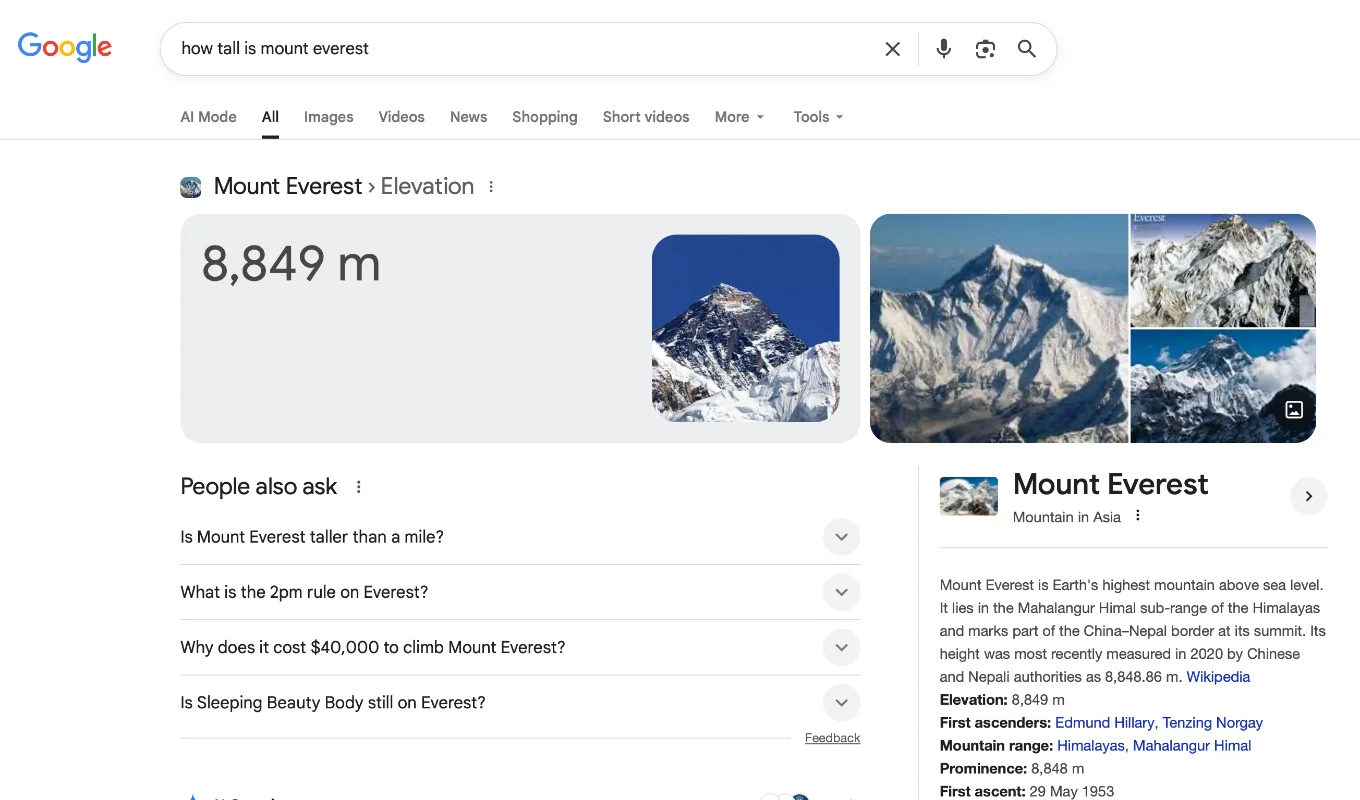
Choose topics people are actually searching for. Tools like Google’s autocomplete, the “People Also Ask” boxes in search results, and platforms like AnswerThePublic can surface the exact questions your audience is typing. If no one is searching for a topic, the traffic won’t come no matter how well you write it.
Structure it so people can skim it. Most readers scan before they commit. Clear headings, short paragraphs, and a logical flow from question to answer make the difference between someone reading your post and someone bouncing after five seconds.
Check it properly. Typos and poor grammar are a trust signal in the wrong direction. It doesn’t need to be perfect, but it needs to be taken seriously.
Keep it current. Evergreen content still needs occasional maintenance. Outdated statistics, broken links, or advice that no longer applies will quietly erode the value of posts that are otherwise good.
Making the most of what you create
A blog post doesn’t have to live only on your website. Every article you publish can be pulled apart for social media – a key point becomes a LinkedIn post, a stat becomes a graphic, a short excerpt becomes a newsletter section.
This isn’t just about efficiency. Sharing blog content on social media drives traffic back to the original article, which helps its rankings, which brings more organic traffic. The same piece of work does multiple jobs.
Getting into the habit of repurposing means you’re not constantly starting from scratch for every channel. One well-researched post can fuel a week’s worth of social content if you approach it intentionally.
If you’re not sure where to start with content – what to write about, how to structure it, or how to make it work harder for your SEO – get in touch. It’s something we can help with as part of a broader web design or SEO project.